
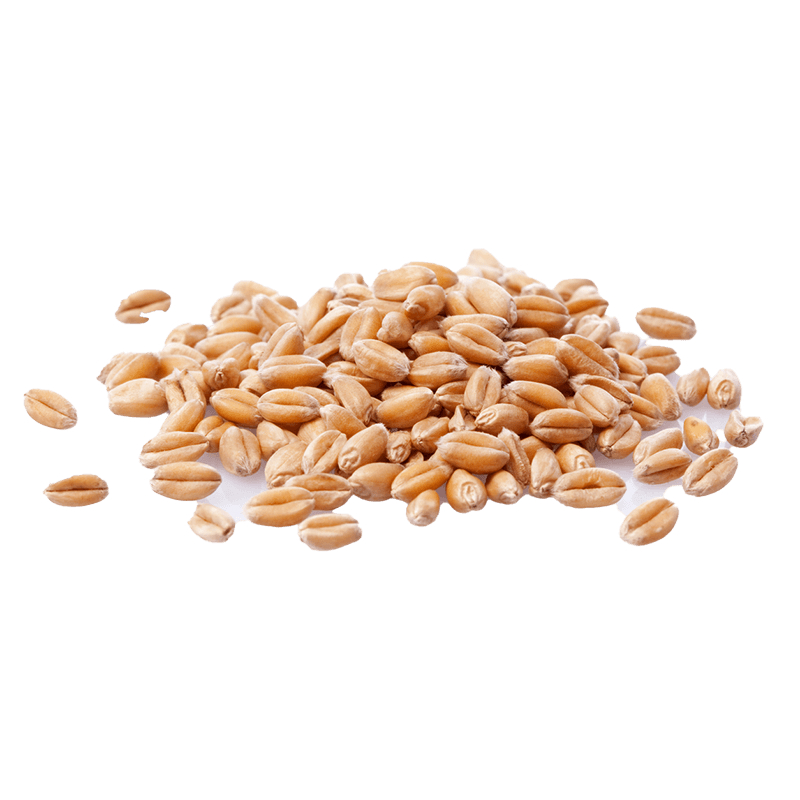
WHEAT
Australia produces approximately 25 million metric tonnes of wheat annually, cultivated across 12 million hectares. As the fourth largest wheat exporter globally, behind the US, Canada, and Russia, accounts for 10-15% of the world’s 100 million tonne annual global wheat trade. Australia offers a diverse range of wheat classes including Australian Prime Hard (APH), Australian Premium White (APW), and Australian Noodle Wheat (ANW) etc. Our wheat is highly sought after in Asian and Middle Eastern markets, prized for its quality in noodle production—from instant to udon noodles. Explore our premium Australian wheat varieties for superior quality and reliability in global markets.

Barley
Australia consistently produces an average of 12 million metric tonnes (mmt) of barley annually, cultivated across 4.8 million hectares. Approximately 30–40% of this barley is premium malting barley, highly valued worldwide for beer production and distillation of spirits like malt whiskey and Japanese shochu. Renowned for its quality, Australian malting barley dominates over 30% of the global trade, making Australia the largest exporter in this sector. Our barley is also esteemed for animal feed, serving diverse markets including poultry, dairy, pigs, sheep, and goats. We cater to major domestic barley markets and export globally via bulk and container shipments to Asia and the Middle East. Explore our superior Australian barley for its exceptional performance in malting, brewing, distilling, and animal nutrition.
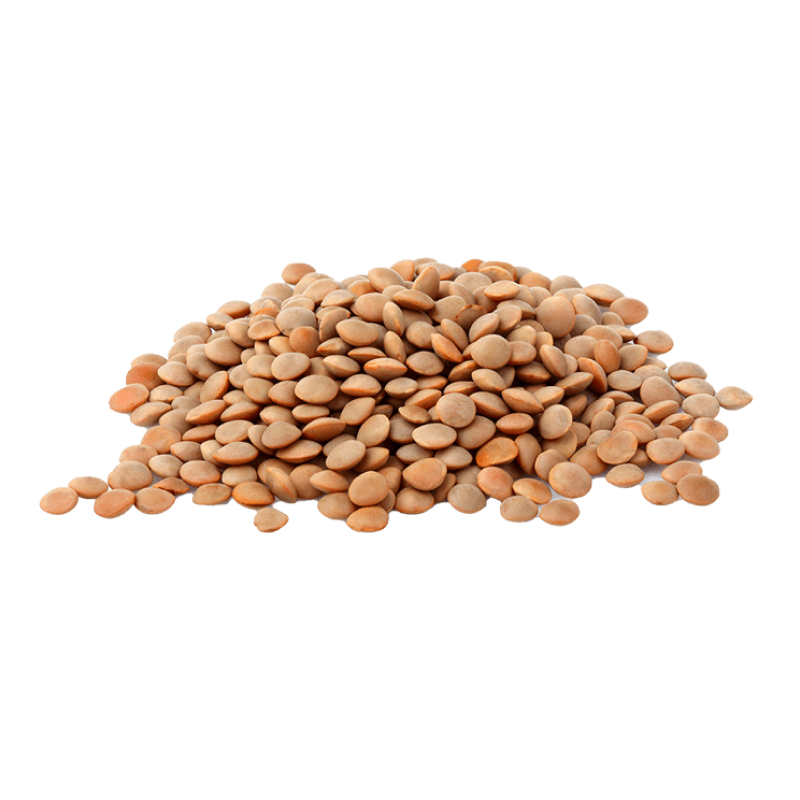
Lentil
Lentil is a versatile and lucrative pulse crop in south-eastern Australia that offers a number of financial and rotational benefits in many cropping systems. Australia is a leading exporter of high-quality lentils, predominantly red lentils, along with green and other niche varieties. These lentils are shipped worldwide, with significant demand from the Indian subcontinent, Asia, and the Middle East. Annually, about 1.1 million tonnes of lentils are produced, primarily in South Australia and Victoria. Our lentils are delivered in bulk containers or bulk trucks, ensuring premium quality and reliable supply for our international clients.
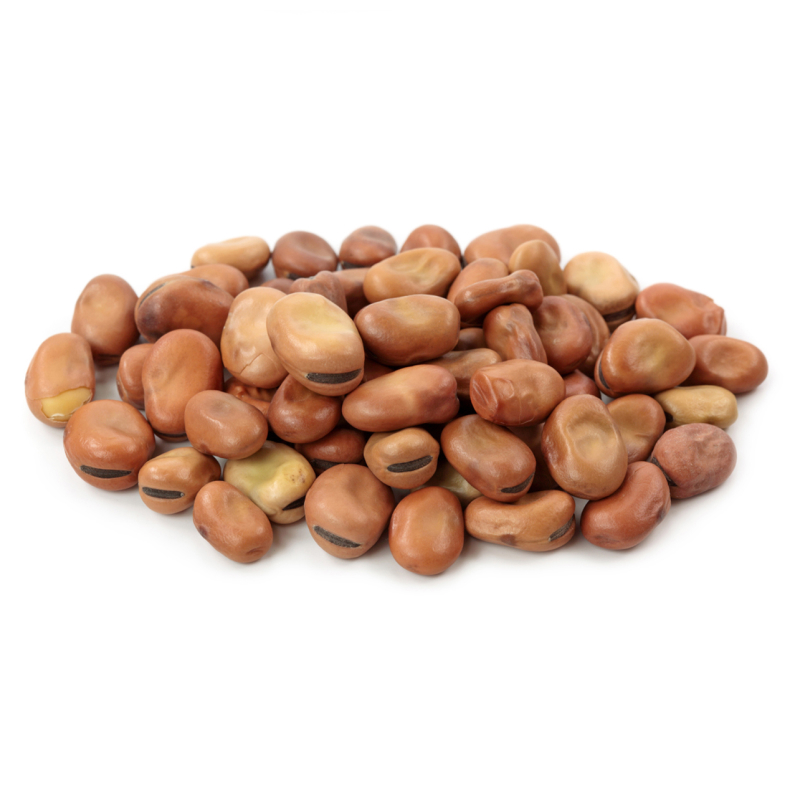
Faba Beans
Faba beans, first grown commercially in South Australia in the early 1980s, are now cultivated across Victoria, New South Wales, and Western Australia, with smaller areas in Tasmania and southern Queensland. As a cool-season crop, faba beans are planted in autumn and harvested in late spring to early summer. With an average annual production of about 550,000 tonnes, Australia is a top global producer and the leading exporter of faba beans, supplying one-third of the international market. Our premium faba beans are available in various packing options, including bags and bulk containers, ensuring quality and reliable supply for exporters worldwide.
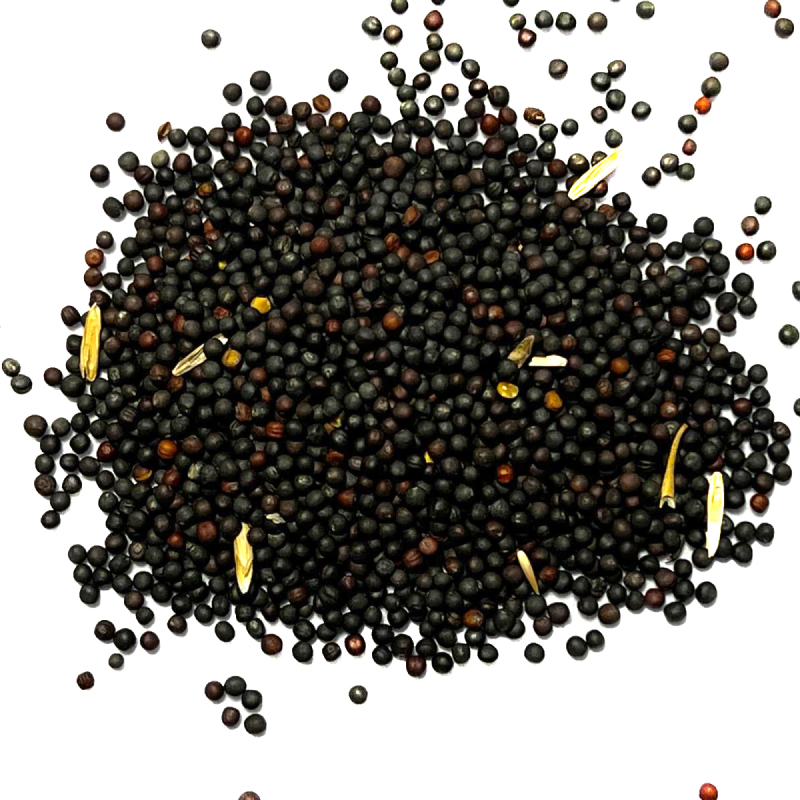
Canola
Australia's premium canola is highly coveted both domestically and globally for its exceptional qualities in food-grade oil, biodiesel production, and stock feed. With annual production exceeding 3 million tonnes, Australia accounts for 15-20% of the world's canola export trade. Our canola is cultivated sustainably, meeting rigorous criteria for market access in Europe under the Renewable Energy Directive. As one of the few exporters of non-GMO canola on a bulk scale, we cater to diverse industries worldwide. With total exports valued at $1.4 billion for 2.3 million tonnes, we ensure reliable delivery in bulk containers. Explore our superior Australian canola for its unmatched quality and versatility across international markets.
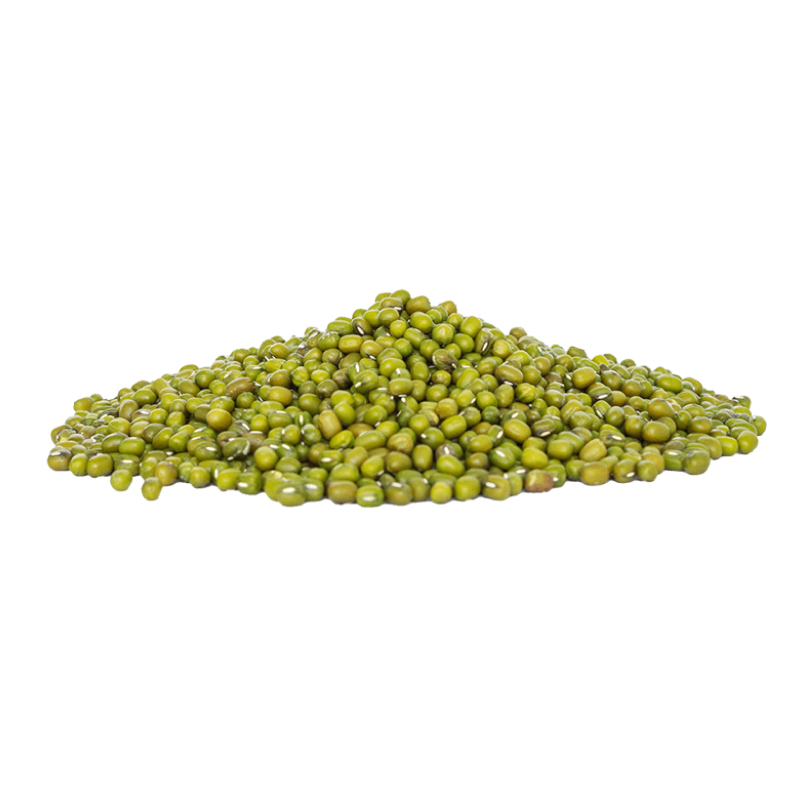
Mugh Beans
Our premium green mung beans, including renowned Australian varieties, are sourced from the finest farms in Queensland and New South Wales, ensuring top-notch quality and rich nutritional value. . About 95% of Mung-beans produced in Australia are exported, predominantly to the Indian subcontinent, Asia and North America. We work with our farmers and manage the supply of Mung-beans from the field, graded, cleaned, bagged and packed into shipping containers through our trusted packing plant partners to customers both locally & internationally. Crystal & Jade Mung-beans: Large-seeded (3.25-4.00mm), superior quality, ideal for export & sprouting. Available alongside Onyx AU & Satin II (seasonal).
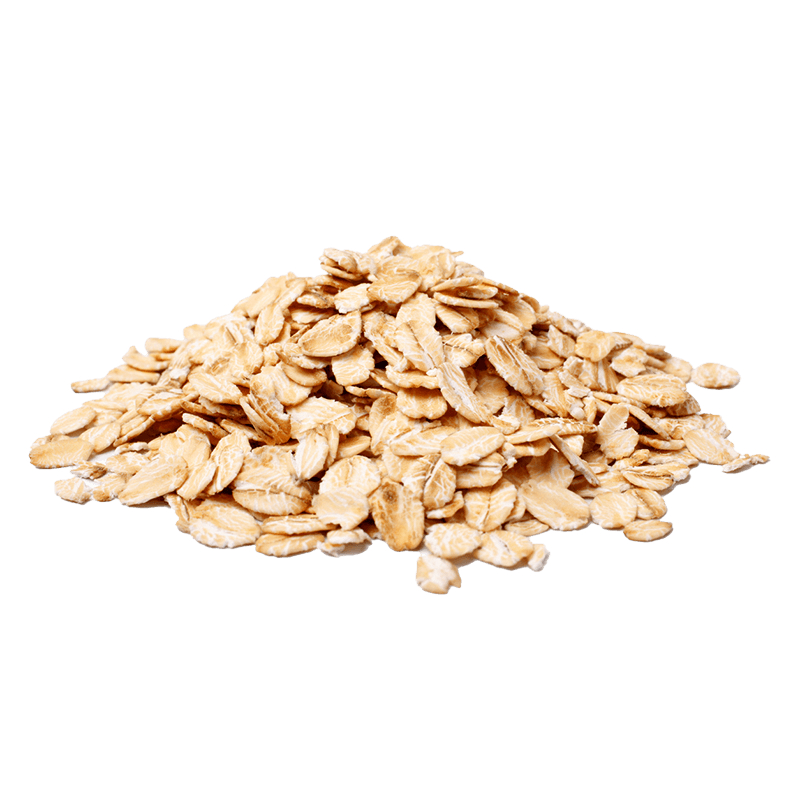
Oats
Australian oats are integral to both local food and feed markets, classified for milling or feed based on their distinct qualities. With an average annual production of 1.5 million metric tonnes (mmt) cultivated across 890,000 hectares, Australia contributes 5-10% of the global oat supply. Recognized for their health benefits, Australian oats are increasingly sought after in Asia and worldwide. Many of the rolled oats brands found on supermarket shelves are produced by Australian farmers. We offer flexible packing options in bags or bulk containers, ensuring our premium Australian oats meet global demand. Explore our superior oats for milling and feeding applications, trusted for their quality and nutritional value
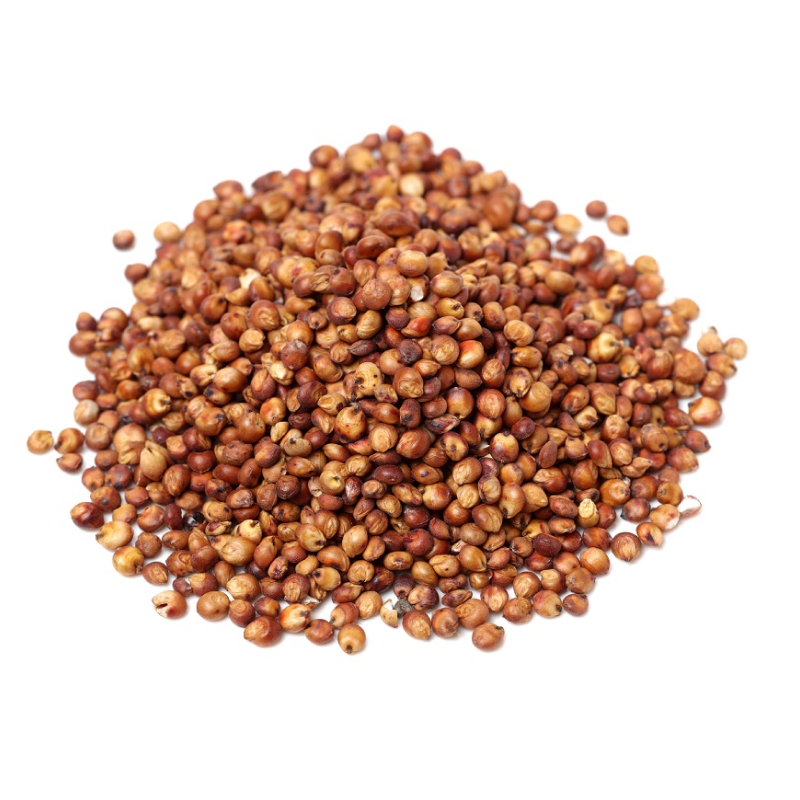
Sorghum
Sorghum, Australia’s fourth largest field crop, spans approximately 600,000 hectares annually, yielding around 1.8 million tonnes. Predominantly used for livestock feed due to high domestic demand, Australian sorghum production averages 1–1.5 million metric tonnes yearly. Despite its primary use in Australia, sorghum is also a key export commodity, with significant demand from China for animal feed and the baijiu distilling industry. Other export markets include the Philippines, New Zealand, Taiwan, and Japan. Sorghum is prized for its suitability in Asian broiler poultry feeds and alcoholic beverage production, including liquor and ethanol. Explore our premium Australian sorghum for reliable supply and quality assurance in global markets.
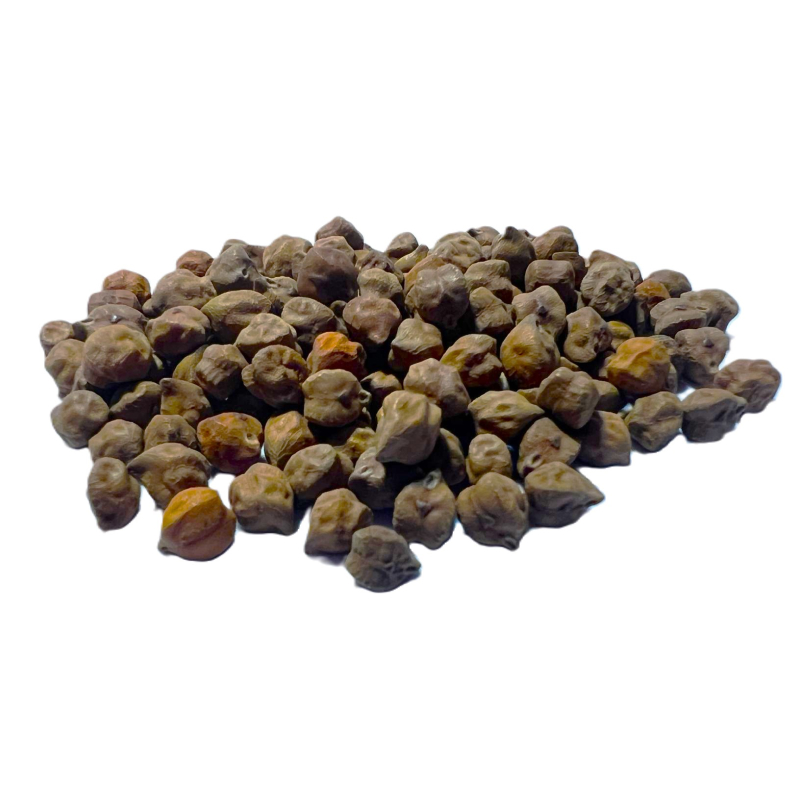
Chickpeas
Chickpeas are a crucial crop in Australia, especially in the northern grain-growing regions, with an average annual production of 650,000 tonnes. The majority are Desi types, with some small to large Kabuli varieties. About 90% of Australian chickpeas are exported, making Australia one of the largest global exporters. These high-value pulses thrive in the medium rainfall areas of Eastern Australia and are renowned for their superior quality. Popular in South Asia, they are a staple in India, Pakistan, and Bangladesh. Our chickpeas are available in 25kg white PP woven bags, bulk containers, or bulk trucks, ensuring premium quality and reliable supply.

BLACK-EYE PEAS/COW-PEAS
Blackeye Beans, also known as cow peas, are small, white, kidney-shaped beans with a distinctive black spot. Originating from Australia, these beans are primarily grown in the fertile regions of Queensland and New South Wales. With a thinner skin than most other beans, Blackeye Beans cook quickly without the need for extra soaking. Their creamy texture and characteristic appearance have made them a symbol of wealth and prosperity in various cultures, often enjoyed as a good luck food for the New Year. Choose Australian Blackeye Beans for their quality, quick cooking time, and rich cultural significance.

KASPA DUN-PEAS
Field peas are a significant Australian pulse crop, with substantial production centered in South Australia. Annually, production averages around 285,000 tonnes, with about half exported. Key export markets include the Indian subcontinent and the Middle East for human consumption. Additionally, field peas are exported to Asia and Europe for both human consumption and stock feed. Our premium Australian field peas are available in various packing options, including bags and bulk containers, ensuring quality and reliable supply for global exporters.
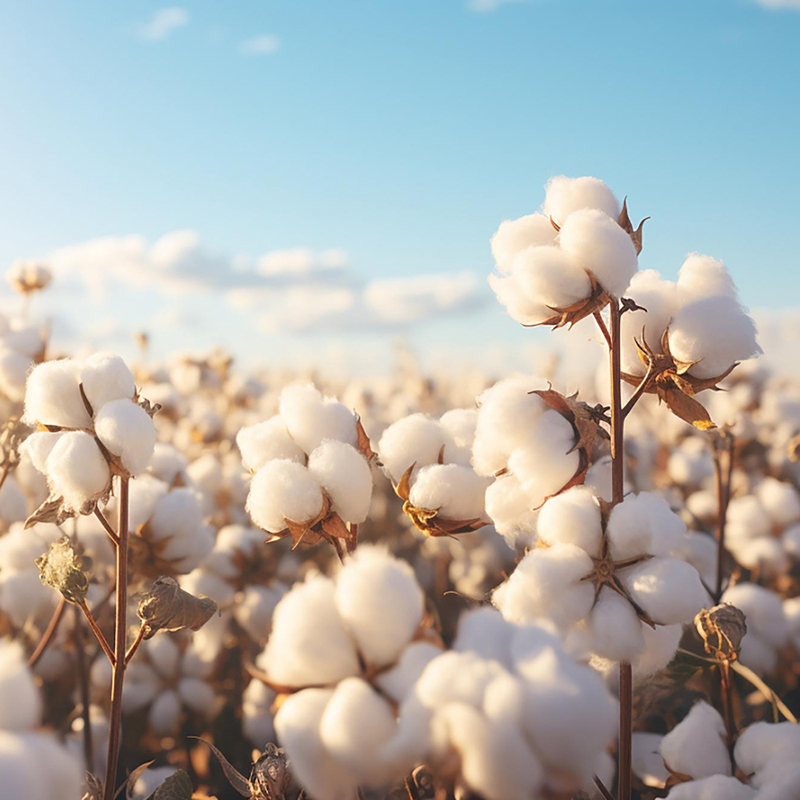
Australian Cotton
Cotton services provided:
- Cotton receivals, handling and storage
- Cotton transport management
- Export shipment coordination
- Container packing
- AQIS approved facilities
- Large multi-skilled workforce with AQIS certification in cotton inspections and dry box inspections
Australian Cotton: A High-Quality Powerhouse Australia is a major force in the global cotton market, with its premium quality fibres being sought after worldwide. Australian cotton makes a significant contribution to the nation's agriculture sector, accounting for 30-60% of the gross value of agricultural production.
Australian cotton stands out for its exceptional yield, nearly triple the global average. This translates to Australia being the world's third-largest cotton exporter, with over 99% of Australian cotton shipped internationally
Approximately 66% of Australia’s cotton is grown in NSW and 33% in Queensland.
- Australia typically produces:
- Grade Strict Middling and Middling
- Length 1-5/32” – 1-1/4” (37-40)
- 29 mm – 32 mm
- Micronaire G5
- Strength 29-34 GPT
- Uniformity 81-83
-
- Superior quality characteristics
- Consistent quality
- Zero contamination
- Reliable suppliers
- Quick and reliable delivery time
- Environmental marketing options
- Weight:3kg
- Category:Food
- Tags:Vegetables, Fruits
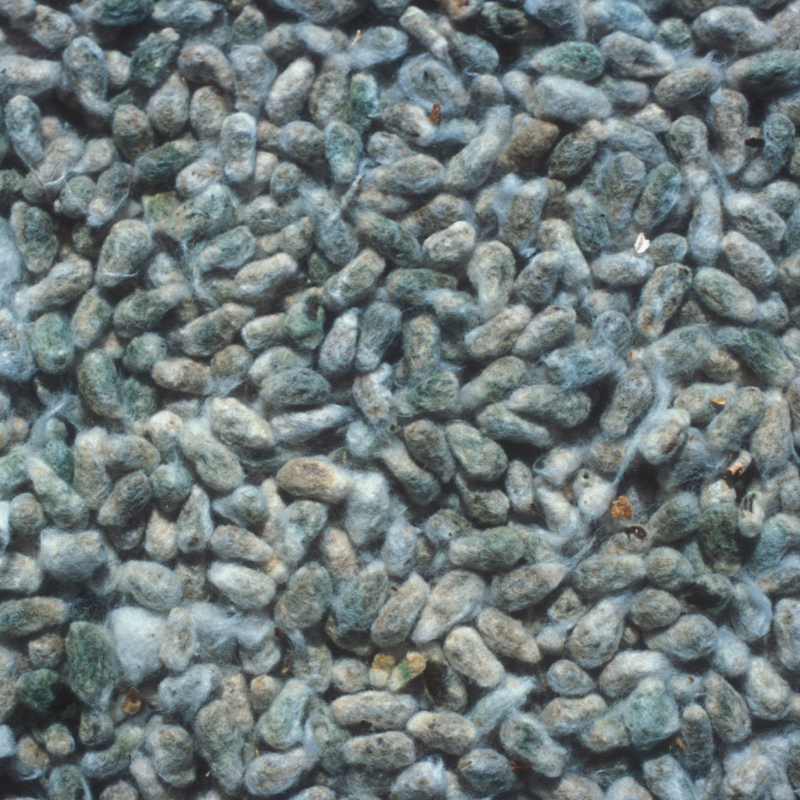
Australian Cottonseed
Cottonseed meal is a by-product from the oil extraction of cottonseed. It is a medium quality protein meal that can be fed to all animals.
Two types:
- Pressed/expeller cottonseed meal
- Solvent extracted cottonseed meal (more common)
Benefit of solvent extracted meal (compared to expeller): Lower gossypol content (0.05% vs 0.07%)
Whole Cottonseed is the seed remaining after the cotton ginning process. It is known as raw white or ‘fuzzy’ cottonseed as it still has some lint left on the seed.
WCS is a nutrient dense feed in energy, protein and fibre.
| Dry Matter | 90.0% |
| Crude Protein | 22% |
| Metabolisable Energy (MJ/kg) | 14.0 |
| Neutral Detergent Fibre | 47.0% |
| Fat | 20% |
| Sugar | 3.3% |
| Starch | 1.3% |

